
The Importance of Sustainable Practices in Mining: Building a Future-Ready Industry
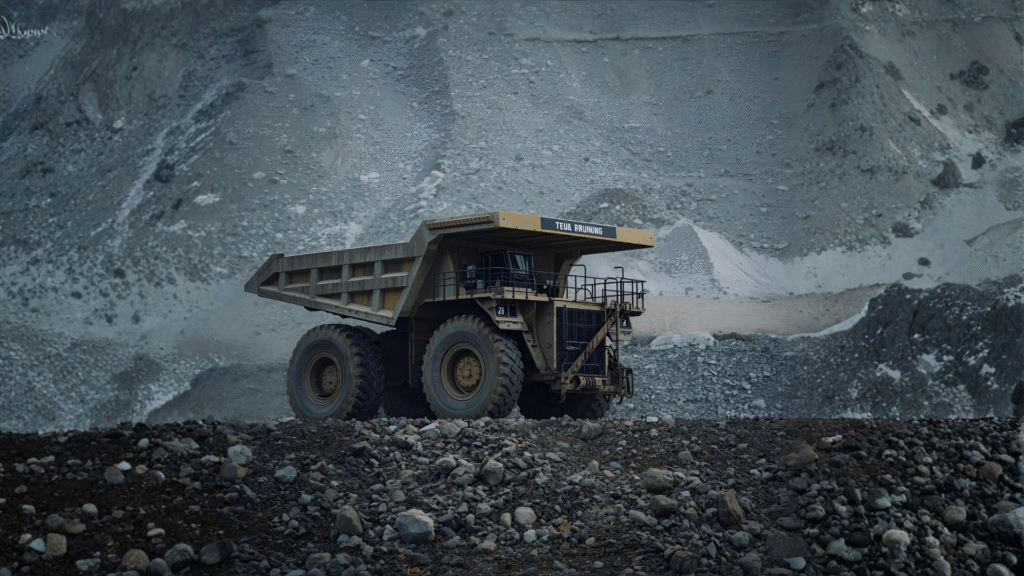
The mining industry plays a vital role in supplying the raw materials that drive modern economies, from construction and manufacturing to energy production and technology. However, traditional mining practices have often been associated with significant environmental degradation, resource depletion, and social challenges. As global awareness of environmental and social responsibility grows, sustainable mining practices have emerged as a critical priority. Embracing sustainability is no longer optional—it is essential for the long-term success of mining companies, communities, and the planet.
Understanding Sustainable Mining
Sustainable mining refers to the adoption of practices that minimize environmental impact, conserve natural resources, and promote social responsibility while maintaining operational efficiency. It encompasses a wide range of initiatives, including efficient resource utilization, waste reduction, energy conservation, water management, and biodiversity protection. Sustainable mining also emphasizes transparency, ethical labor practices, and community engagement, ensuring that local populations benefit from mining activities.
Reducing Environmental Impact
One of the primary goals of sustainable mining is to reduce the environmental footprint of operations. Mining activities can lead to soil erosion, water contamination, deforestation, and greenhouse gas emissions. By implementing technologies such as precision mining, water recycling systems, and renewable energy-powered equipment, companies can significantly minimize these impacts. Environmental monitoring systems provide real-time data on air, water, and soil quality, enabling rapid corrective measures to prevent long-term damage. This not only protects ecosystems but also helps mining companies comply with increasingly stringent environmental regulations.
Enhancing Operational Efficiency
Sustainability and efficiency often go hand in hand. By reducing waste, optimizing resource extraction, and improving energy use, mining companies can lower costs while promoting environmental stewardship. Advanced technologies such as automation, artificial intelligence (AI), and data analytics allow companies to plan operations more effectively, reduce material loss, and extend the lifespan of mineral reserves. Sustainable practices ensure that mining operations remain productive and economically viable without compromising the environment or future resource availability.
Social Responsibility and Community Engagement
Sustainable mining also emphasizes the importance of social responsibility. Mining operations often impact local communities, creating both opportunities and challenges. Companies that prioritize sustainability actively engage with stakeholders, provide fair employment opportunities, and invest in community development projects such as education, healthcare, and infrastructure. By fostering trust and collaboration, mining companies can create long-term value for both the communities in which they operate and their own business objectives.
Aligning with Global Standards and ESG Goals
Environmental, Social, and Governance (ESG) criteria are becoming a benchmark for investors, regulators, and consumers. Mining companies that adopt sustainable practices are better positioned to meet ESG standards, attract investment, and enhance their corporate reputation. Sustainable operations not only demonstrate a commitment to responsible business practices but also provide a competitive advantage in an increasingly environmentally conscious market.
The Future of Sustainable Mining
The future of mining is intrinsically linked to sustainability. As the demand for minerals grows, particularly for renewable energy technologies such as solar panels, wind turbines, and electric vehicles, responsible mining practices will be critical to meeting global needs without causing irreversible harm. Innovations such as electric and hybrid mining equipment, waste-to-resource technologies, and AI-driven environmental management systems are paving the way for a new era of responsible, forward-thinking mining operations.
In conclusion, sustainable practices are no longer a secondary concern—they are central to the success and longevity of the mining industry. By integrating environmental stewardship, operational efficiency, social responsibility, and technological innovation, mining companies can ensure that they meet the demands of today while safeguarding the resources and communities of tomorrow. Sustainable mining is not just about reducing harm; it is about creating lasting value for the industry, the environment, and society at large.